


Sometimes the best finds aren’t just the tools you bring home.
If you’ve ever watched American Pickers, you’ll know exactly what I’m talking about.
There’s something about heading off before sunrise with an empty ute, a hot coffee and no real idea what the day is going to bring. Every old shed, every farm gate and every dusty corner holds the possibility that someone tucked away a forgotten piece of Australian history decades ago and simply never got around to throwing it out.
That’s exactly how this day started.
Only this time, I had company.
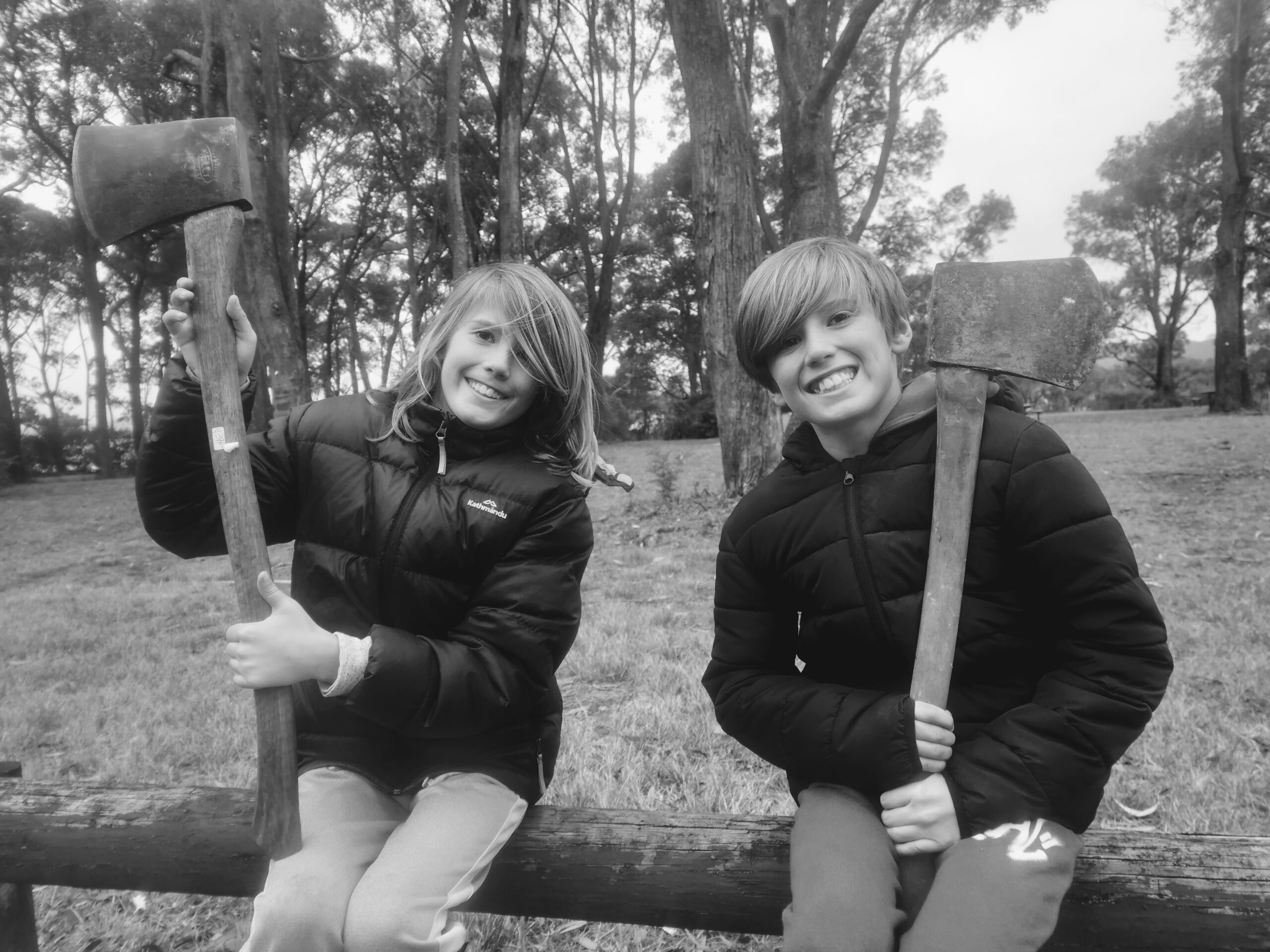
Two of my boys had decided they wanted to come along for the adventure.
I don’t think they were entirely sure what “tool picking” involved, but they were keen, rugged up against the cold and ready to see what Dad gets excited about when someone says, “I’ve got an old axe somewhere…”
We left Camden early and pointed the ute south towards Buxton.
Only about half an hour down the road, but far enough that the suburbs slowly gave way to paddocks, mist and the sort of quiet country roads that make you slow down without even realising it.
Our first stop was to meet Debbie.
She’d reached out after seeing one of my Facebook posts saying I was always looking for old axes and hand tools.
Those messages don’t always lead anywhere, but they’re always worth following up. You never know what’s waiting in the back of someone’s shed.
Debbie was lovely from the moment we arrived.
She had a box of old chisels and files waiting for us. There were a few recognisable names in there—some Wiltshire and a couple of others that deserved a closer look—but they weren’t quite what I was chasing that day.
Then she disappeared and came back with something that got my attention.
“You might be interested in this,” she said.
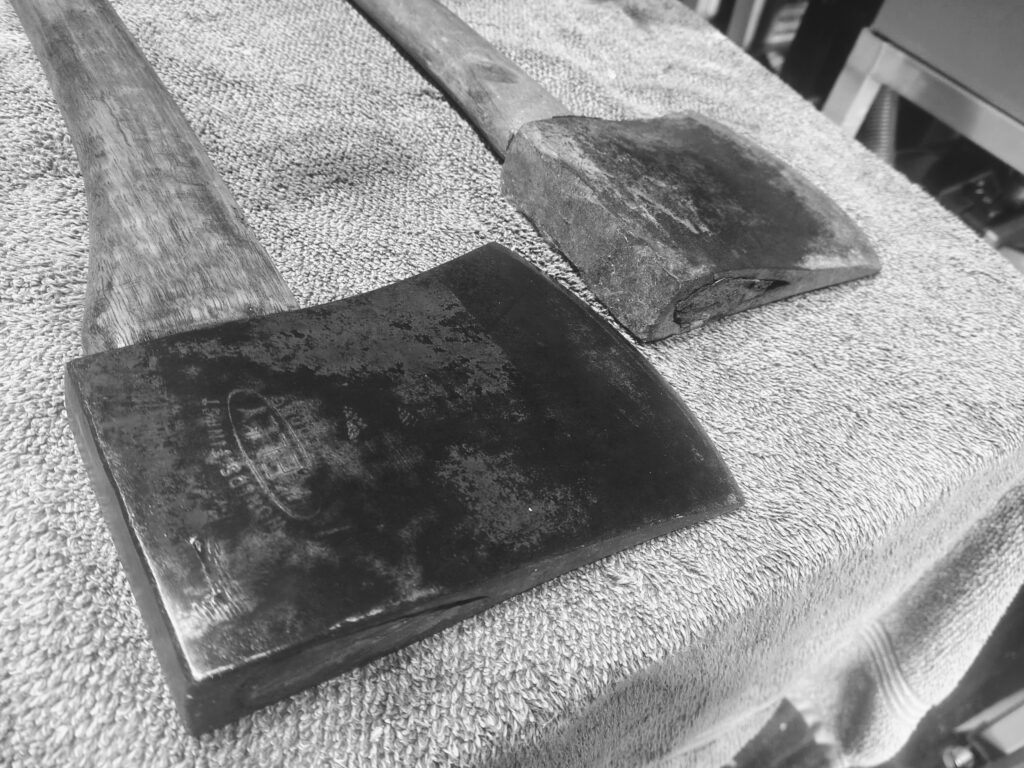
Out came an old axe.
It was absolutely filthy.
Rust.
Cobwebs.
A poll that had clearly lived a hard life.
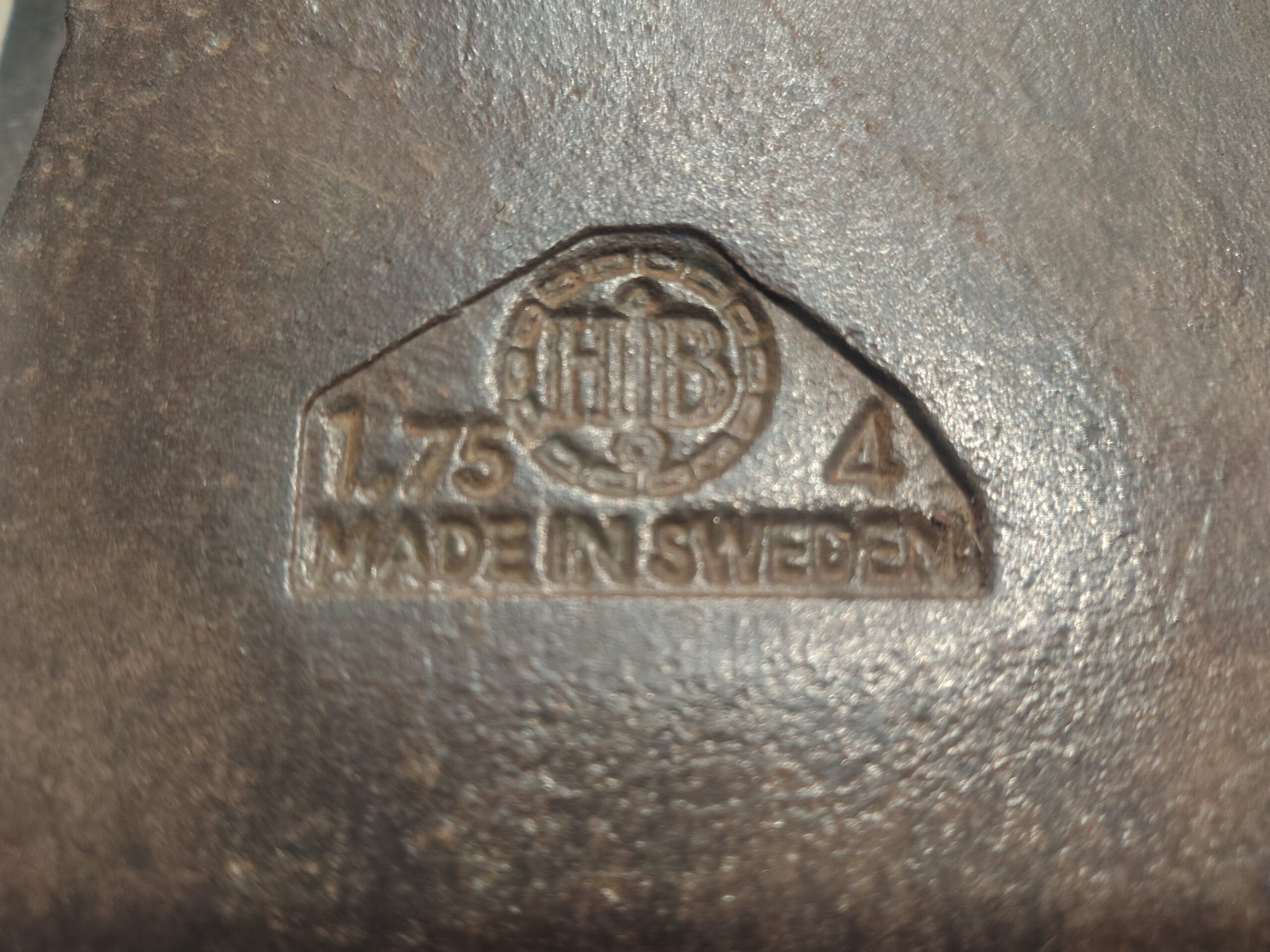
The handle had been cut short years ago, and whatever maker’s stamp had once been there was completely hidden beneath decades of corrosion.
Despite all that, one thing stood out immediately.
It was unmistakably a Tasmanian Pattern.
The head felt around the three-and-a-half-pound mark in the hand, and although it looked rough, there was something about it that deserved another chance.
I’ve learnt over the years that sometimes the ugliest axe in the shed turns out to be the most rewarding restoration.
I offered Debbie twenty dollars.
She smiled and said that sounded fair.
Deal done.
Then came surprise number two.
“I’ve got an old plane as well.”
She returned carrying a Stanley No. 5.
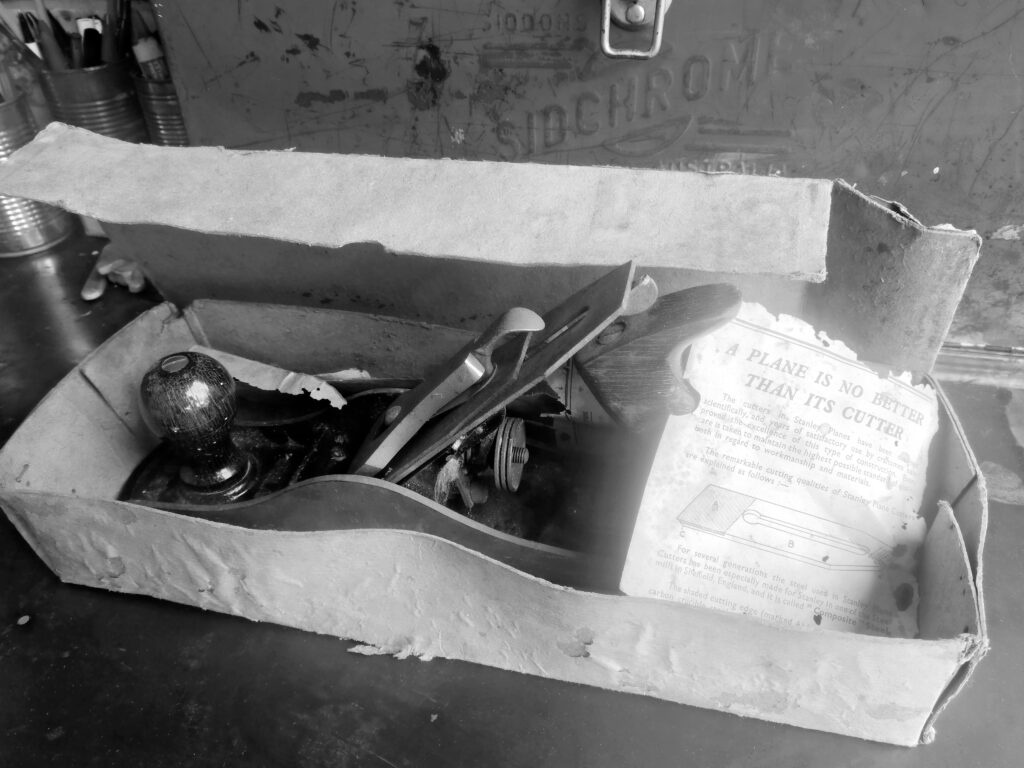
Not only was it complete, but it was still sitting in its original box, complete with the old instruction sheets and brochures—slightly moth-eaten around the edges but still there after all these years.
The plane itself wore only a light coat of surface rust.
The japanning was remarkably well preserved, and judging by the sole and blade, it looked like it had seen very little use at all.
Thirty dollars later, it was coming home with us too.
As we chatted, Debbie casually mentioned that she thought there might be another axe head lying around somewhere.
Even better, she said they were cleaning out her mum’s shed and she was fairly sure there was a box of old hand planes tucked away.
Now that’s the sort of sentence every picker hopes to hear.
I told her to send me photos whenever she found anything.
You simply never know.
Sometimes the first visit is only the beginning.
With our first finds safely tucked into the back of the ute, we headed another forty-five minutes south towards Fitzroy Falls.
If you’ve never driven that road in winter, you’re missing something special.
Rolling hills.
Tall hedges.
Old stone walls stacked by hand generations ago.
Twisting roads disappearing through towering gums.
It really is one of the prettiest drives in New South Wales.
Our destination was Grandpa’s Shed.
I hadn’t been there for about two years.
Earlier in the week I’d rung ahead and asked the dangerous question.
“Got any axes?”
The answer had been yes.
A Kelly Dandenong.
Some Hytests.
That was enough to get my attention.
The weather certainly reminded us it was the middle of winter.
Six degrees.
The boys looked like tiny Arctic explorers bundled up in enough layers to survive Antarctica.
We wandered through the shed, weaving between old furniture, tools and shelves packed with decades of Australian history before finally spotting them.
There they were.
Several Hytests.
And the Kelly.
The Hytests were priced from around $160 upwards.
The Kelly wore a rather optimistic $400 price tag.
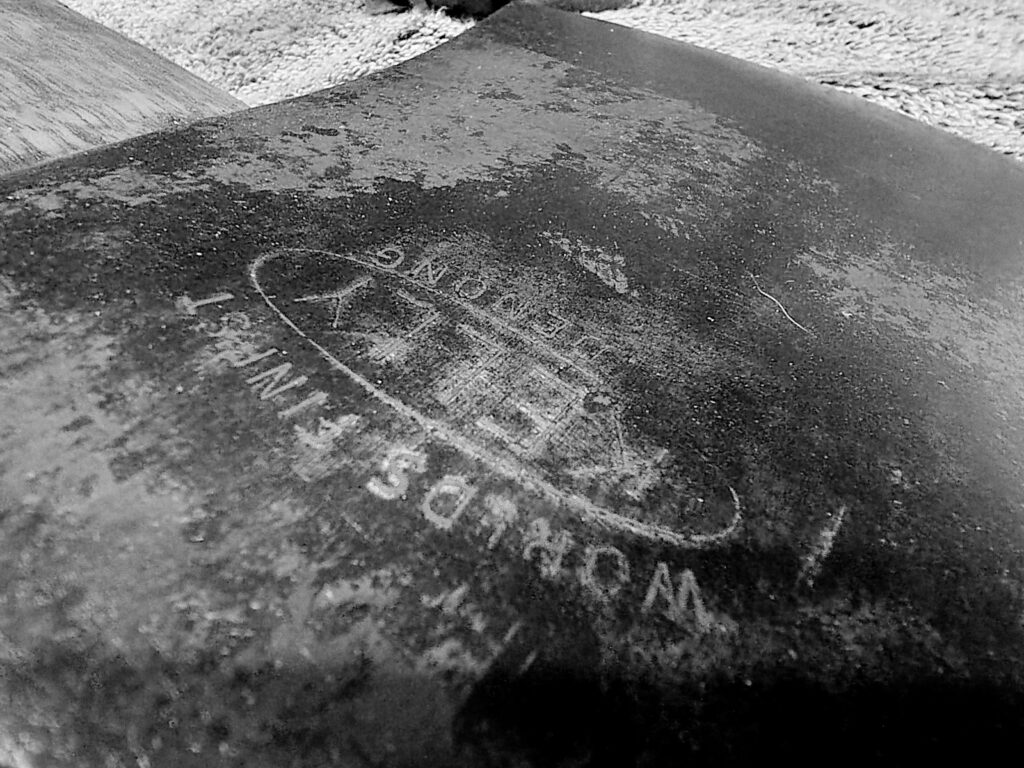
I picked it up.
Immediately I could tell why.
The head was beautiful.
The bit showed almost no wear.
The poll still had crisp square corners.
I’d be surprised if it had cut more than a dozen trees in its lifetime.
Then I looked at the handle.
Halfway down, running towards the heel, was a long repaired crack.
I asked if he’d glued it.
“Yeah,” he replied.
That settled one thing immediately.
If I bought it, that handle was coming off.
A repaired axe handle might be acceptable for hanging on a wall.
It isn’t acceptable for swinging.
And if you’ve followed Forgotten Steel for any length of time, you’ll know that’s not what I’m about.
I don’t collect tools so they can gather dust on another wall.
I restore them so they can work again.
We talked price.
He moved a little.
I moved a little.
Neither of us moved enough.
So I did what every picker eventually has to do.
I put it back.
The boys were beginning to get hungry, and we’d already spent a fair while wandering through the sheds.
We had one last look around before heading back towards the front.
The Kelly was still sitting there.
I’d been chasing a good Kelly Dandenong for quite some time.
Sometimes you know you’ll regret driving away.
So back into negotiations we went.
A bit more conversation.
A bit more back and forth.
Eventually we found a number that left us both reasonably happy.
Deal done.
As he wrapped it up, he looked at me and said something that made me smile.
“You’ve got yourself a nice wall hanger there.”
He honestly thought I was buying it to hang on a wall.
I smiled.
“No chance. This one will be dropping trees.”
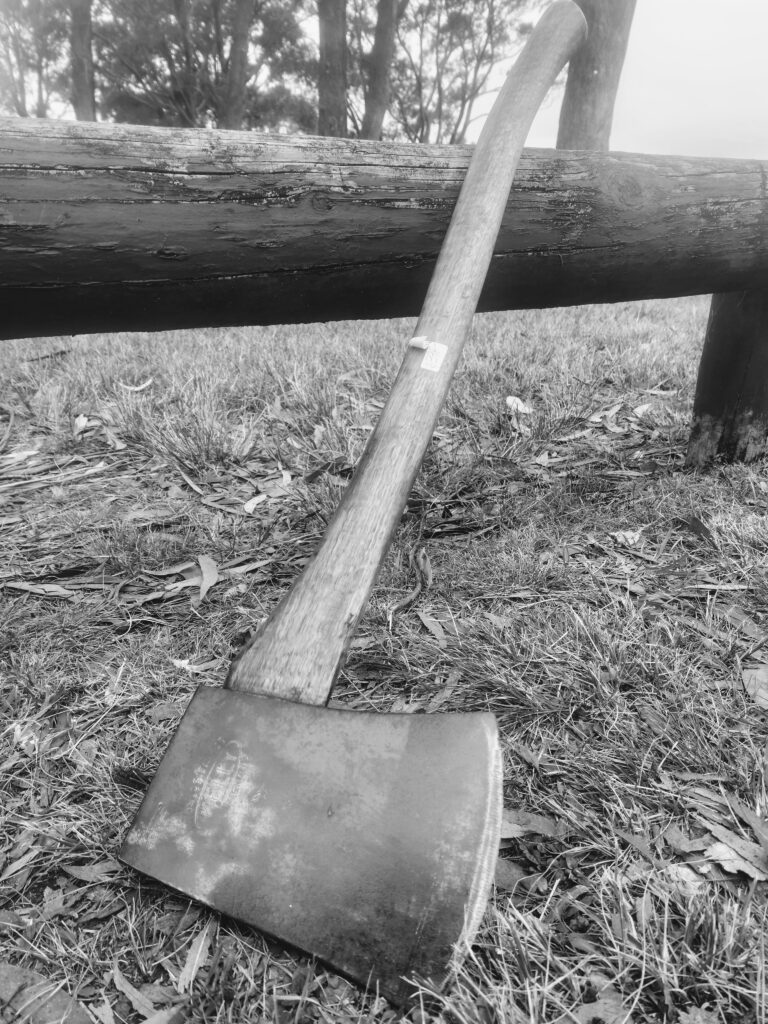
Good tools belong in good hands.
They were built to work.
That’s exactly what this one will do again.
With the day’s treasures safely loaded, we finished the adventure the only way that seemed appropriate.
Lunch at the nearby park followed by some energy burning playtime. Its one of those fantastic old school parks with a spinning thing that goes fast enough to make you feel sick – most of these have been removed from parks and playgrounds these days for bubble wrapped safer options.
The temperature never climbed much above six degrees, but they didn’t seem to care.
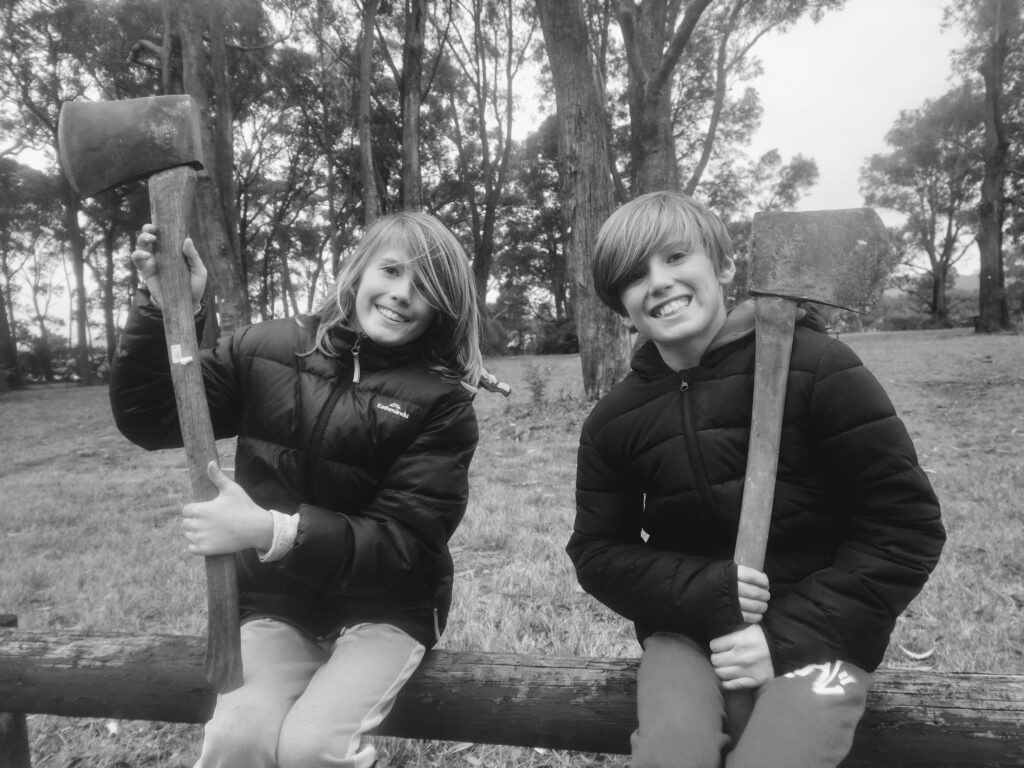
Neither did I.
By the time we pointed the ute back towards Camden, two very tired young pickers had climbed into the back seat.
Before we’d made it very far, both had nodded off.
Apparently spending a day rummaging through dusty sheds full of rusty old tools is exhausting work.
Who knew?
Looking across in the rear-view mirror, I realised something.
Yes, we’d found a Tasmanian Pattern axe.
Yes, we’d brought home a Stanley No. 5.
And yes, after a bit of friendly bargaining, I’d finally found the Kelly Dandenong I’d been searching for.
But they’ll never be the best part of that day.
Years from now, I doubt my boys will remember exactly what I paid for the Kelly.
They probably won’t remember the Stanley plane either.
What I hope they remember is climbing through old sheds, meeting interesting people, driving winding country roads, and discovering that every rusty old tool has a story waiting to be uncovered.
Because that’s what picking really is.
It’s not shopping.
It’s treasure hunting.
And the next great find might just be sitting in a shed less than half an hour from your front door.
So here’s a challenge.
This weekend, instead of heading to the shopping centre, grab a coffee, jump in the car and take the road less travelled.
Call into the little antique shop you’ve always driven past.
Visit the clearing sale.
Stop at the country markets.
Ask the farmer with the old machinery out the front if he has any forgotten tools tucked away in the shed.
You might come home empty-handed.
Or you might come home with the beginning of another story.
Either way…
I’d call that a pretty good day.
From the Forgotten Steel Workbench
Every restored tool begins somewhere.
Sometimes it’s beneath a workbench.
Sometimes it’s in an old family shed.
Sometimes it’s sitting on a dusty shelf with a price tag that’s just waiting for a conversation.
The steel is only part of the story.
The people you meet, the roads you travel and the memories you make along the way are just as valuable.
After all, forgotten steel has a funny way of bringing people together.