WELCOME TO THE WORKSHOP
Every tool that enters my workshop has a story.
Some have spent decades hanging in old sheds. Others have been buried beneath workbenches, forgotten in farm sales or rescued from scrap piles. Many have worked harder than most modern tools ever will.
My job isn’t to erase that history.
It’s to preserve it.
Each restoration is approached individually, respecting the original craftsmanship while carefully returning the tool to safe, reliable working condition.

THE HUNT
Finding quality vintage tools is often the hardest part of the process.
Many of the pieces I restore are sourced from farm clearances, estate sales, auctions, swap meets, private collections and forgotten workshops throughout Australia.
Not every tool is worth restoring. Some are too badly damaged, while others deserve to remain untouched as collector’s pieces. Learning the difference is one of the most important skills a restorer develops.
The search is part of the journey, and every rescued tool represents another opportunity to preserve a small piece of working history.

ASSESSMENT
Before any restoration begins, every tool is carefully inspected.
I look for:
• Cracks and structural damage
• Previous repairs or welds
• Steel condition
• Edge integrity
• Damage to the eye or striking surfaces
• Original maker’s marks
This initial assessment determines the most appropriate restoration approach. Every tool deserves a method that suits its condition rather than a one-size-fits-all process.
RESTORATION
No two restorations are ever exactly the same.
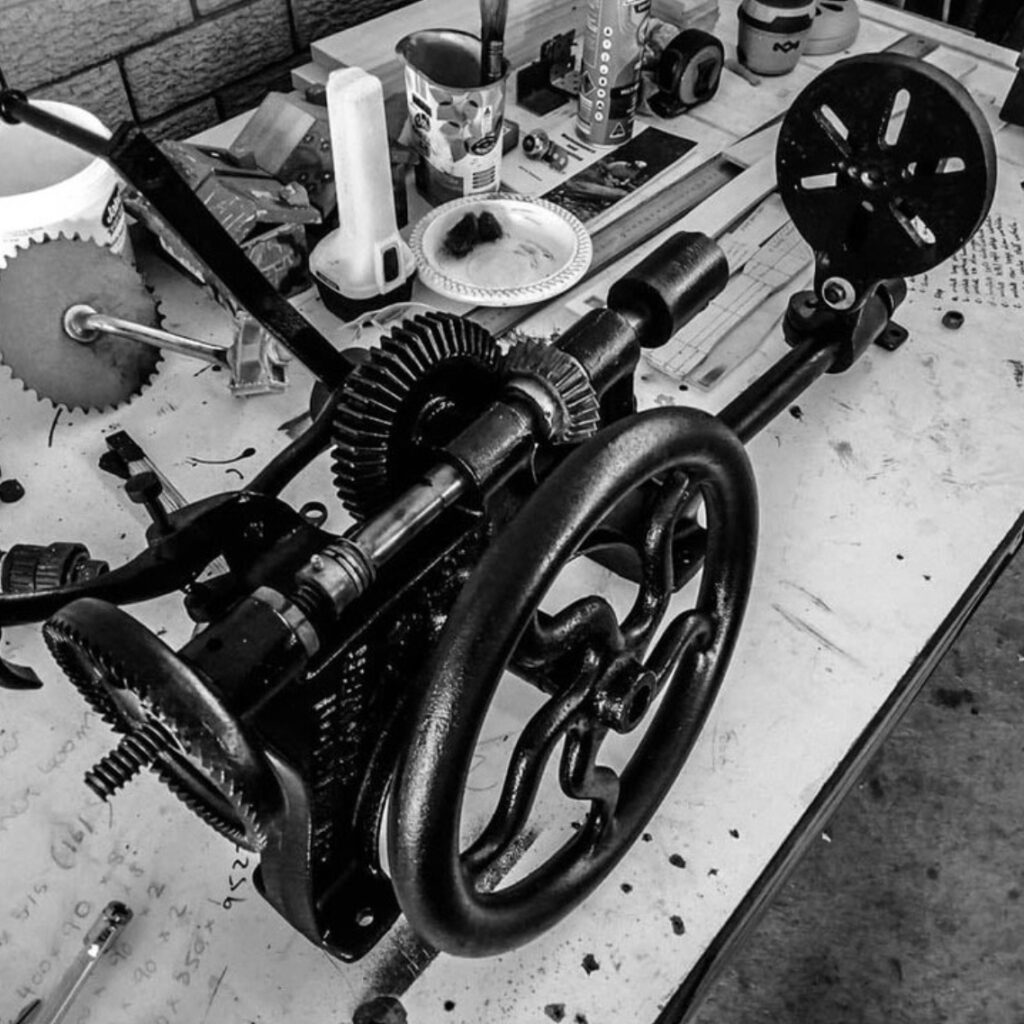
Depending on the tool, the process may include careful rust removal, edge repair, sharpening, refinishing and rehandling. Throughout the process I aim to preserve original markings, forging details and the honest character that only years of use can create.
The goal is never to make an old tool look brand new.
The goal is to make it ready for another lifetime of honest work.
HANDLE FITTING
A quality handle is just as important as quality steel.
Each handle is individually fitted to the tool rather than forced into place. Careful attention is paid to grain orientation, alignment, balance and finish to ensure the handle not only looks right but performs as it should.
Whenever possible I use premium timber selected specifically for strength, durability and character.
A well-fitted handle should feel like a natural extension of the tool.

MORE THAN RESTORATION
Forgotten Steel isn’t simply about making old tools look better.
It’s about preserving the skills, materials and craftsmanship that created them in the first place.
Every restoration is another opportunity to keep quality tools working, to honour the people who made them, and to ensure they continue serving future generations rather than being lost to time.
SHARPENING & FINISHING
The final stages of every restoration require patience.
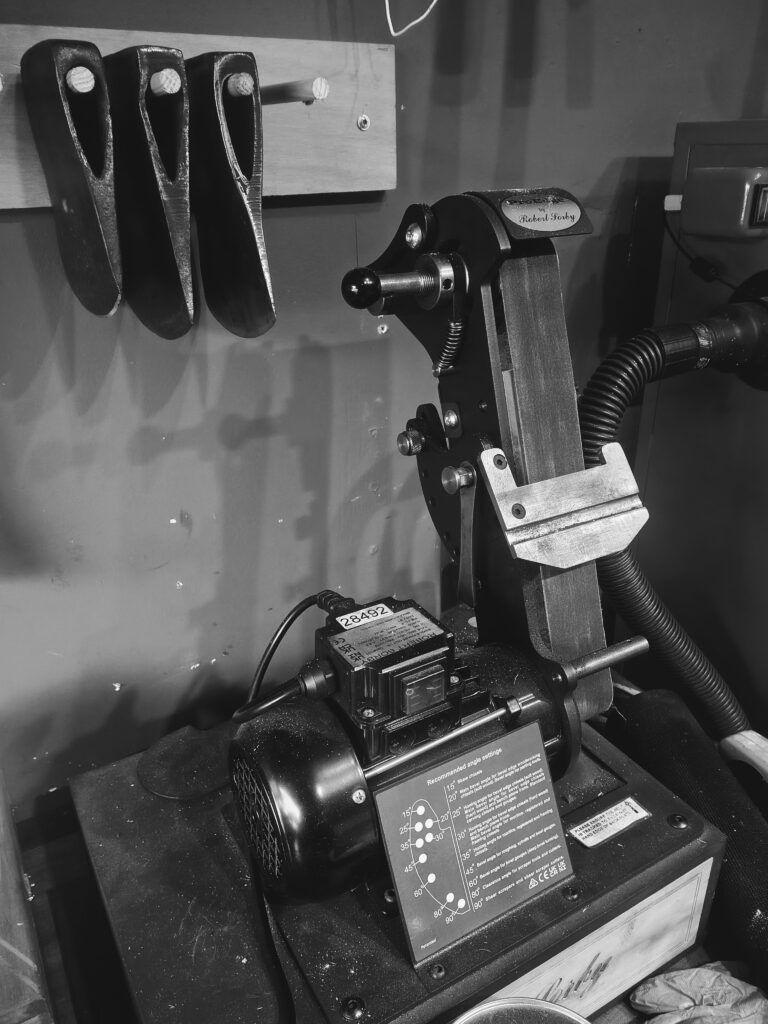
Edges are carefully profiled and sharpened according to the intended purpose of the tool, whether it is destined for the bush, the workshop or a collector’s display.
Handles receive traditional oil finishes, while steel is protected using methods that preserve its appearance without sacrificing authenticity.
The result is a restoration that feels honest, functional and built to last.
EXPLORE THE CRAFT
Interested in how the rest of the workshop comes together?
Explore the Timber Vault to learn about handle making, or visit the Leatherwork section to see how each custom sheath is crafted by hand.
Because every great tool deserves materials that are just as enduring as the steel itself.
MY STANDARD
Every tool leaving my workshop reflects the same principles.
✓ Respect the original maker.
✓ Preserve the tool’s character.
✓ Prioritise function over appearance.
✓ Use quality materials.
✓ Never rush the process.
✓ Build something worth handing down.
These principles guide every restoration, regardless of whether it’s a simple user axe or a rare collector’s piece.
MY RESTORATION PHILOSOPHY
A Note on Authenticity & Value
One of the questions I’m occasionally asked is whether a faint maker’s stamp affects the value of a restored axe.
For me, the answer is simple: no.
I’m not a collector searching for perfect stamp markings or pristine display pieces. I’m looking for well-made tools that deserve another chance to work.
Whether a maker’s stamp is deep and crisp, worn from decades of honest use, or has almost disappeared altogether, the quality of the steel, the craftsmanship and the history of the tool remain the same. A faded stamp doesn’t make the steel any less capable.
When I choose an axe to restore, I’m interested in the integrity of the head, the quality of its manufacture and the life it still has left in it—not how clearly a name can be read.
The value in my restorations comes from returning a well-made tool to safe, reliable working condition so it can be appreciated and used for many years to come.